Bharmaur Destination Guide: Explore the Land of Lord Shiva in Himachal Pradesh
Imagine standing in a quiet Himalayan valley where the air carries the soft scent of pine and the distant sound of temple bells. This is Bharmaur, also known as Bharmour, a sacred mountain town nestled in the Chamba district of Himachal Pradesh. For centuries travellers, pilgrims and seekers have called this place the Land of Lord Shiva, or Shiv Bhoomi, because every stone, every path and every peak here seems to whisper stories of the divine.
This complete Bharmaur Destination Guide invites you to walk through the living history of Bharmaur Himachal Pradesh. You will discover the ancient 84 Chaurasi Temples that form the spiritual heart of the town, the peaceful trails that lead to Brahmani Mata Temple, the dramatic road that climbs toward Hadsar, and the legendary Manimahesh Yatra that draws thousands of devotees every year. Whether you come for Bharmaur tourism, for the Manimahesh Lake trek, or simply to feel the quiet power of Bharmaur temples, this guide will walk beside you like a friendly storyteller.
From the moment you enter the Budhil Valley, Bharmaur begins to tell its tale. The mountains rise like guardians. Traditional Gaddi villages cling to the slopes. And at the centre of it all stands the Chaurasi Temple complex, a courtyard of stone and wood that has welcomed pilgrims for more than a thousand years. In the pages that follow you will find everything a traveller needs: the history of Bharmaur, the reasons why Bharmaur is called the Land of Lord Shiva, detailed places to visit in Bharmaur, practical things to do in Bharmaur, the full Manimahesh Yatra route from Bharmaur, how to reach, the best time to visit, where to stay, what to eat, and gentle advice for a respectful journey.
About Bharmaur
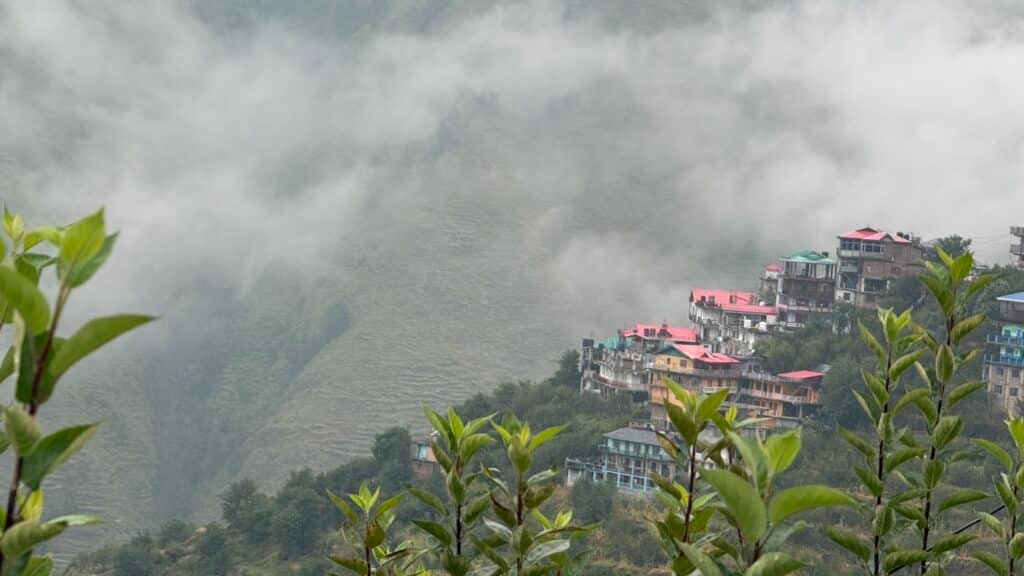
Bharmaur sits quietly in the heart of the Budhil Valley, a place where the mountains seem to lean closer and the sky feels wider. Located in Chamba district of Himachal Pradesh, this historic town rests at an elevation of roughly two thousand metres above sea level. Its approximate geographic coordinates are 32.44° North latitude and 76.53° East longitude. From here the great peaks of the Pir Panjal range rise in the distance, and the sacred Manimahesh Kailash watches over the entire valley like a silent guardian.
Unlike the bustling hill stations of Shimla or Manali, Bharmaur offers a slower, more intimate kind of travel. There are no crowded malls or loud nightlife. Instead you find stone courtyards, wooden temple roofs, terraced fields, and the gentle rhythm of Gaddi village life. The air carries the scent of deodar and the distant call of temple bells. This is the true character of Bharmaur tourism: quiet, spiritual, and deeply rooted in the land.
Looking for a Hotel? Check Agoda.

For centuries Bharmaur has served as a gateway. Pilgrims on the Manimahesh Yatra pass through its streets. Travellers seeking ancient temples pause at the Chaurasi complex. Photographers and slow travellers linger in the market and on the village paths. Whether you come for a single day of temple exploration or as the starting point of a longer Manimahesh Lake trek, Bharmaur welcomes you with open arms and a story waiting to be heard.
The town is also known by its older name, Brahmpura, a reminder of its long history as a seat of power and devotion. Today it remains a living place of worship rather than a frozen monument. Local families still gather in the temple square for festivals. Shepherds still move their flocks along the high trails. And every year, when the Manimahesh Yatra season arrives, the quiet streets fill with the colourful energy of thousands of devotees walking toward the sacred lake.
Bharmaur at a Glance
Before you pack your bags, it helps to see the whole picture of Bharmaur in one clear glance. The table below gathers the essential facts that every traveller asks about when planning a journey to this sacred corner of Himachal Pradesh.
| Category | Details |
|---|---|
| Destination | Bharmaur or Bharmour |
| District | Chamba |
| State | Himachal Pradesh |
| Popular title | Land of Lord Shiva or Shiv Bhoomi |
| Historic name | Brahmpura |
| Approximate coordinates | 32.44° N, 76.53° E |
| Most famous attraction | Chaurasi Temple Complex (84 Chaurasi Temples) |
| Major pilgrimage | Manimahesh Yatra |
| Manimahesh trek base | Hadsar (approx. 32.45° N, 76.61° E) |
| Nearby religious attraction | Brahmani Mata Temple |
| Landscape | Mountains, forests, valleys, waterfalls and alpine terrain |
| Ideal for | Temple tourism, pilgrimage, trekking, photography, culture and slow travel |
History of Bharmaur
Long before modern roads reached the Budhil Valley, Bharmaur was already a place of power and prayer. In ancient times it was known as Brahmpura, and for many years it served as the capital of the early Chamba kingdom. Kings ruled from this mountain stronghold, and the people of the surrounding hills looked to Bharmaur for guidance, protection and spiritual leadership.
One of the most important figures in the story of Bharmaur is King Sahil Varman. According to local tradition, it was during his reign that the foundations of the great temple complex were laid. Legends tell of eighty-four Siddhas, enlightened yogis, who visited the royal court and blessed the land. Their presence gave the town its lasting name of Chaurasi, meaning eighty-four, and their memory still lives in the stones of the temple square.
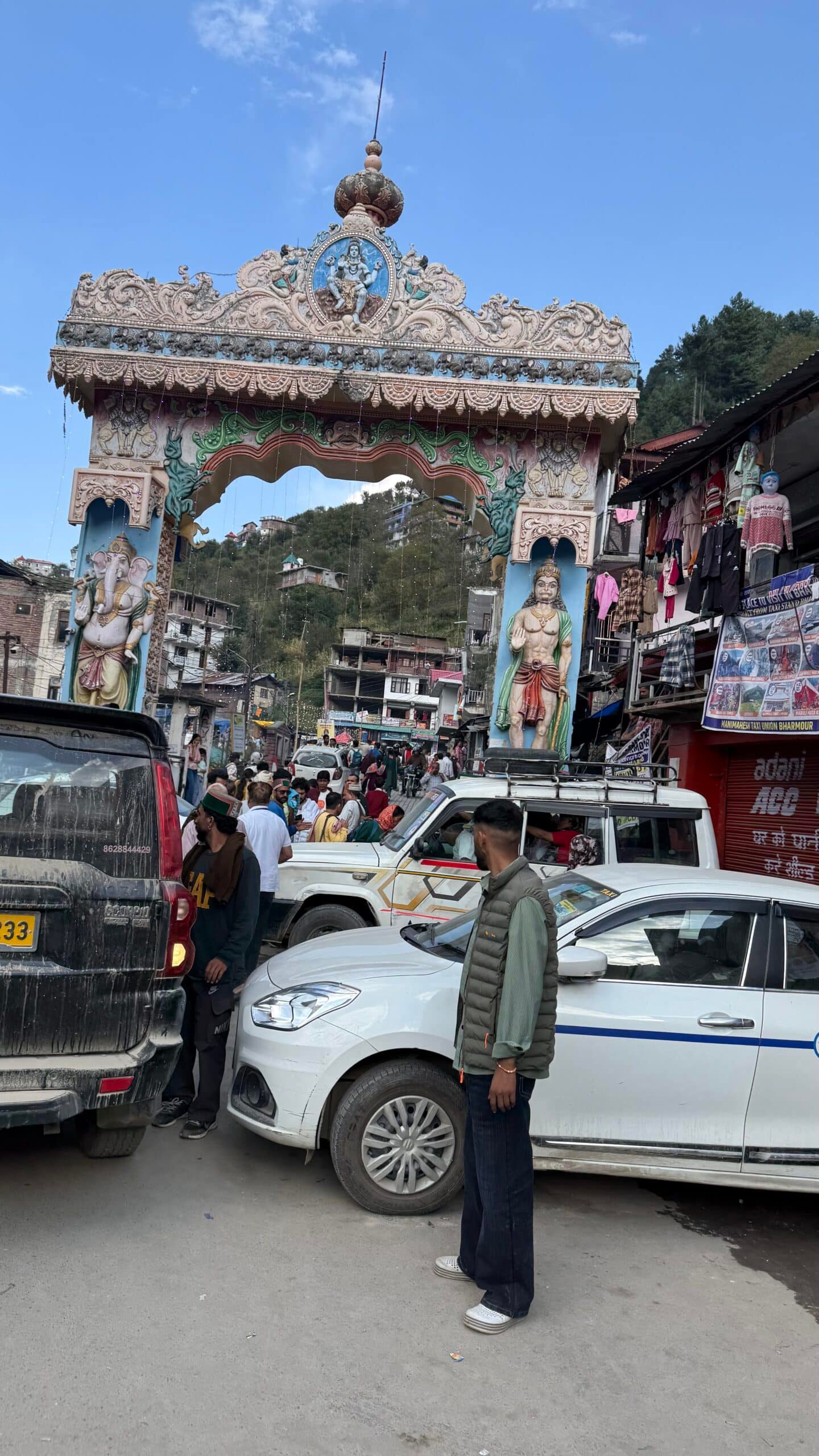
As centuries passed, the capital of the kingdom eventually moved down the valley to the town of Chamba. Yet Bharmaur never lost its sacred importance. The temples continued to receive worshippers. The stories of Lord Shiva and the 84 Siddhas continued to be told by the fireside. And the path toward Manimahesh Kailash remained a living pilgrimage route for generations of Gaddi shepherds and Hindu devotees.
Bharmaur and the Chamba Kingdom
The history of Bharmaur cannot be separated from the wider story of the Chamba Valley. The old settlement grew in a strategic mountain basin where communities could farm the terraced slopes, graze their animals in the high pastures, and maintain trade links with neighbouring valleys. The stone and wood architecture that still stands today reflects the artistic traditions that flourished across the Chamba region: carved wooden doors, sloping roofs designed for heavy snow, and courtyards that invite both prayer and community gathering.
Historical Importance of the Temple Square
At the very centre of Bharmaur lies the Chaurasi Temple square. For more than a thousand years this open courtyard has been the religious and social heart of the town. Local people still gather here during festivals, marriages and important rituals. During the Manimahesh Yatra season the square becomes a river of colour and devotion as pilgrims arrive from every corner of North India. Visitors who walk slowly through the complex can feel the weight of history in every carved beam and every worn stone step.
Bharmaur – Land of Lord Shiva
Why is Bharmaur called the Land of Lord Shiva? Why do people speak of Bharmaur Shiv Bhoomi with such quiet reverence? The answer lies in a web of faith, legend and sacred geography that has grown over many centuries. In the hearts of local communities and pilgrims, Bharmaur is not merely a town; it is a living landscape of Shiva.
The mountains that surround Bharmaur are more than rock and ice. They are believed to be the dwelling places of divine presence. Manimahesh Kailash, rising high above the sacred lake, is regarded as one of the earthly abodes of Lord Shiva. The annual Manimahesh Yatra is not simply a trek; it is a journey of devotion that begins in the streets of Bharmaur and ends at the shores of Manimahesh Lake. The Chaurasi Temple complex itself contains the important Manimahesh shrine, where pilgrims come to seek blessings before they begin the climb.
Why Is Bharmaur Called Shiv Bhoomi?
Several threads weave together to form the identity of Bharmaur as Shiv Bhoomi, the Land of Lord Shiva:
- The region is home to some of the oldest Shiva temples in the western Himalayas.
- Manimahesh Kailash is deeply associated with Lord Shiva in local belief.
- The great Manimahesh Yatra begins its final stages from the Bharmaur region.
- The Chaurasi Temple complex includes the sacred Manimahesh shrine.
- Ancient legends speak of Lord Shiva and the 84 Siddhas walking these very valleys.
- The entire geography of lakes, peaks, rivers and pilgrimage paths is understood as sacred space.
Local Legend of Lord Shiva and Goddess Brahmani
One of the most beloved stories told in Bharmaur concerns Lord Shiva and Goddess Brahmani. According to the tradition, Lord Shiva arrived in this region accompanied by eighty-four Siddhas. The land already belonged in a special way to Goddess Brahmani, and her presence gave the place extraordinary spiritual power. In time Lord Shiva received permission to remain, and the goddess herself became an important guardian of the pilgrimage path. Even today many devotees believe that a true Manimahesh journey should begin with a visit to Brahmani Mata Temple, seeking her blessings before climbing toward the lake.
Manimahesh Kailash and Shiva
Manimahesh Kailash is not treated as an ordinary mountain to be conquered. It is approached with reverence. The peak itself is rarely climbed; instead pilgrims journey to the sacred lake that lies at its feet. On clear days the mountain stands bright and sharp against the sky. On other days clouds and mist wrap it in mystery. For the people of Bharmaur and for the thousands who walk the Manimahesh Yatra route, the peak remains a living symbol of Lord Shiva’s presence in the Himalayas.
When you visit Bharmaur, remember that you are walking through a landscape shaped by faith. The title Land of Lord Shiva is not a marketing phrase; it is a living belief. Travellers who move slowly, speak gently and follow local customs will find that the mountains themselves seem to welcome them.
84 Chaurasi Temples of Bharmaur
At the very centre of Bharmaur stands the Chaurasi Temple complex, a courtyard of ancient shrines that forms the spiritual and cultural heart of the town. The word Chaurasi means eighty-four. According to local belief, eighty-four Siddhas, enlightened yogis, once visited this place and blessed the land. In their honour a group of temples and sanctums was established, and the complex has remained a place of living worship ever since.
For anyone exploring places to visit in Bharmaur, the 84 Chaurasi Temples are the essential first stop. Pilgrims come here to pray. Historians come to study the architecture. Photographers come to capture the play of light on carved wood and stone. And quiet travellers come simply to sit in the courtyard and feel the deep peace that settles over the square in the early morning or late evening.
History of Chaurasi Temple
The origins of the Chaurasi temples reach back into the early medieval history of the Chamba Valley. Different accounts offer slightly different dates, yet all agree that the complex is among the oldest and most important temple groups in the western Himalayas. Local tradition links the foundation of the temples with King Sahil Varman and the visit of the 84 Siddhas. The king’s humility and hospitality, the story says, so moved the Siddhas that they blessed the land and remained associated with it forever.
Main Temples in the Chaurasi Complex
Walking through the temple square is like stepping into a living museum of Himalayan faith. Among the many shrines you will find:
- Manimahesh Temple – the shrine most closely linked with the Manimahesh pilgrimage.
- Lakshana Devi Temple – known for its traditional architecture and quiet dignity.
- Narsingh Temple – another important centre of worship within the square.
- Ganesh Temple – a place where many devotees begin their prayers.
- Lakshmi Temple – dedicated to the goddess of prosperity and grace.
- Numerous smaller Shiva sanctums and shrines associated with the Siddhas.
Manimahesh Temple
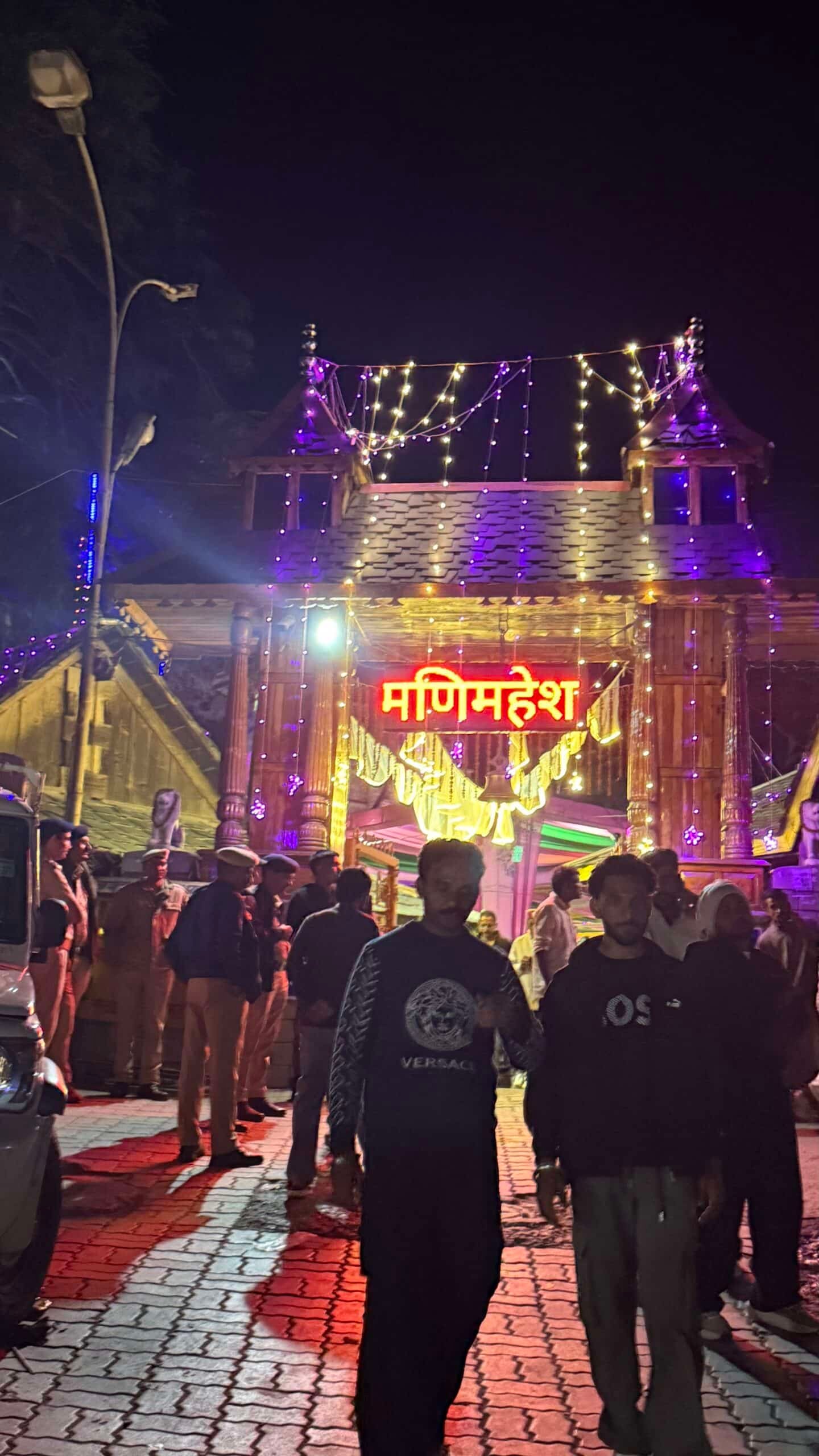
Within the Chaurasi complex the Manimahesh Temple holds a special place. Devotees preparing for the Manimahesh Yatra often come here first to offer prayers and receive blessings. During the peak pilgrimage season the shrine becomes a river of activity, with pilgrims arriving in groups, carrying offerings, and filling the air with the sound of bells and chants.
Lakshana Devi Temple
The Lakshana Devi Temple is one of the architectural jewels of the complex. Its wooden details, carvings and roof design reward slow, careful observation. Visitors are asked to respect photography rules and to ask permission before photographing the interior spaces.
Narsingh Temple
Standing among its sister shrines, the Narsingh Temple completes the rich tapestry of worship that makes the Chaurasi complex unique. Together the temples form a single living religious centre rather than a collection of isolated monuments.
Architecture of the Chaurasi Temples
The architecture of the 84 Chaurasi Temples combines traditional Himalayan and North Indian elements. As you walk through the courtyard you may notice:
- Solid stone walls and foundations that have withstood centuries of mountain weather.
- Beautifully carved wooden doors and structural beams.
- Shikhara-style towers rising above the main sanctums.
- Sloping roofs designed to shed heavy snowfall.
- Intricate wooden panels and stone sculptures.
- Small sanctums arranged around a shared open courtyard that invites both prayer and community gathering.
How to Visit Chaurasi Temple Respectfully
- Dress modestly when entering the temple complex.
- Remove footwear wherever required.
- Do not enter areas marked as restricted.
- Always ask before taking photographs inside the temples.
- Keep silence during prayers and rituals.
- Do not touch idols, offerings or sacred objects without permission.
- Help keep the temple courtyard clean.
- Avoid bringing alcohol or non-vegetarian food into the temple area.
Best Time to Visit Chaurasi Temple
The Chaurasi Temple complex can be visited during most of the accessible travel season. Early morning and late evening are especially peaceful times, when the light is soft and the courtyard is less crowded. During the Manimahesh Yatra season the square becomes far busier. This is a wonderful time to feel the living energy of Bharmaur’s faith, but travellers should also be prepared for larger crowds and limited accommodation.
Places to Visit in Bharmaur
Bharmaur and its surrounding valleys offer a rich collection of places to visit. Some are sacred temples. Others are quiet villages, dramatic viewpoints or the starting points of high mountain trails. Here is a storytelling guide to the most important places to visit in Bharmaur.
1. Chaurasi Temple Complex
Every journey through Bharmaur should begin at the Chaurasi Temple complex. Spend at least one or two unhurried hours walking among the shrines, sitting quietly in the courtyard, and watching the play of light on the ancient stone and wood. This is the spiritual heart of the town and the best place to understand why Bharmaur is called the Land of Lord Shiva.
2. Manimahesh Temple
Located inside the Chaurasi complex, the Manimahesh Temple is especially important for those preparing to walk the Manimahesh Yatra. Many pilgrims come here first to seek blessings before continuing toward Hadsar and the high lake.
3. Lakshana Devi Temple
This temple rewards those who look carefully. Its traditional architecture, wooden details and quiet atmosphere make it one of the most memorable shrines within the complex.
4. Narsingh Temple
Standing among the other temples of the square, the Narsingh Temple helps visitors understand how many deities and traditions live side by side in the religious life of Bharmaur.
5. Brahmani Mata Temple
A short journey from the main town brings you to Brahmani Mata Temple, one of the most important religious sites near Bharmaur. Linked with the legend of Lord Shiva and the goddess, this temple is traditionally visited by pilgrims before they begin the Manimahesh trek. The path may include steep or uneven sections, so comfortable shoes and careful attention to local conditions are essential, especially in monsoon or winter.
6. Hadsar
Approximately thirteen kilometres beyond Bharmaur lies Hadsar, the main roadhead for the Manimahesh Lake trek. Surrounded by mountain scenery, streams and waterfalls, Hadsar is a beautiful place even for travellers who do not plan to complete the full pilgrimage. Road access, parking and local conditions should always be checked before setting out.
7. Manimahesh Lake
High above Hadsar, at an altitude of roughly 4,080 to 4,190 metres, lies the sacred Manimahesh Lake. Its approximate coordinates are 32.395° North and 76.637° East. The lake sits at the feet of Manimahesh Kailash and is the ultimate destination of the annual yatra. The journey is physically demanding and should never be treated as a casual picnic. Steep climbs, thin air and rapidly changing weather demand respect and preparation.
8. Manimahesh Kailash Viewpoints
Along the road from Bharmaur to Hadsar and on nearby mountain paths there are several safe viewpoints from which the high peaks of the Manimahesh region can be seen. Always stop only at designated or clearly safe roadside locations. Avoid parking on narrow curves or sections exposed to falling stones.
9. Traditional Villages Around Bharmaur
The villages that surround Bharmaur offer a living picture of Himalayan life: traditional stone-and-wood houses, terraced fields, orchards, cattle shelters and the daily rhythms of the Gaddi community. Visitors should always ask permission before photographing homes, people or private land, and should walk with quiet respect.
10. Mountain Streams and Waterfalls
Especially in the warmer months, the valleys around Bharmaur and Hadsar are filled with streams and waterfalls. These places are beautiful for photography and short walks, yet they also demand care. Rocks near waterfalls are often slippery, and water levels can rise suddenly during rain.
Things to Do in Bharmaur
Bharmaur is not a place of hurried checklists. The best things to do in Bharmaur are those that allow you to slow down, listen, and feel the spirit of the mountains. Here are some of the most rewarding ways to spend your time.
Explore Ancient Temples
Begin with the Chaurasi Temple complex and then include Manimahesh Temple, Lakshana Devi Temple, Narsingh Temple and Brahmani Mata Temple in your explorations. Each shrine has its own atmosphere and its own stories.
Experience the Spiritual Atmosphere
Sit quietly in a temple courtyard. Listen to the bells. Watch local devotees offer flowers and light lamps. Bharmaur rewards those who are willing to simply be present rather than constantly photographing every moment.
Walk Through the Local Market
The market of Bharmaur is a practical and lively place. Here you can buy simple snacks, woollen clothing, basic medicines, trekking supplies and everyday items. During the Manimahesh Yatra season temporary shops appear, selling rainwear, religious items and food for the trail.
Enjoy Mountain Photography
The landscapes around Bharmaur offer endless subjects for the camera:
- Ancient temple towers against blue mountain skies.
- Carved wooden doors and stone sculptures.
- Traditional Gaddi villages and terraced fields.
- Forest roads and waterfalls.
- Snow-covered peaks on clear days.
- Pilgrims walking the path toward Manimahesh.
- Sunrise and sunset light washing over the Budhil Valley.
Take Short Village Walks
Even a short walk beyond the main town can open a window onto rural mountain life. Always stay on public paths, avoid private land, and ask local people for guidance before following unfamiliar trails.
Visit During the Manimahesh Yatra
For those interested in living religious culture, the Manimahesh Yatra season is the most vibrant time to be in Bharmaur. The temples, roads and markets fill with pilgrims from across North India. Travellers who prefer quiet solitude may prefer other seasons, but those who come for faith and community will find the yatra deeply meaningful.
Try Local Food
Simple Himachali meals, rice and dal, seasonal vegetables, local breads and traditional snacks form the everyday food of Bharmaur. Choices are more limited than in larger tourist towns, so carrying a few dry snacks is always wise, especially if you are heading toward Hadsar or the higher trail.
Observe Gaddi Culture
Bharmaur is closely tied to the Gaddi community. Their traditional clothing, pastoral life, seasonal movements with sheep and goats, folk traditions and mountain agriculture are all part of the living culture of the region. Observing with respect and curiosity is one of the richest experiences Bharmaur offers.
Manimahesh Yatra from Bharmaur
Of all the journeys that begin in Bharmaur, none is more important than the Manimahesh Yatra. This annual pilgrimage is dedicated to Lord Shiva and leads devotees to the sacred Manimahesh Lake that lies at the feet of Manimahesh Kailash. For the people of Himachal Pradesh and for pilgrims from across North India, the yatra is both a physical challenge and a profound act of faith.
Bharmaur has always been the traditional gateway to this sacred journey. Pilgrims arrive in the town, visit the Chaurasi temples, offer prayers at the Manimahesh shrine, and then continue by road to Hadsar, the starting point of the trek itself.
Religious Importance of Manimahesh Lake
Manimahesh Lake is regarded as a sacred body of water associated with Lord Shiva. Sitting at high altitude beneath the great peak, the lake is the destination of the annual pilgrimage. Devotees come to pray, to perform rituals, and to seek blessings. The physical climb is understood as part of the spiritual discipline: the harder the path, the deeper the devotion.
Bharmaur’s Role Before the Yatra
Many pilgrims choose to stay overnight in Bharmaur before continuing to Hadsar. They visit the temples, gather supplies, and prepare themselves mentally and spiritually for the days ahead. During the yatra season Bharmaur also becomes an important logistical centre, with transport, registration, medical support and temporary camps organised in the wider region.
When Is the Manimahesh Yatra Held?
The Manimahesh Yatra traditionally takes place around the Hindu month of Bhadon, which usually falls in August or September. Exact dates change each year according to the lunar calendar. Before travelling it is essential to confirm the official dates, registration requirements, route status, weather conditions and any restrictions announced by the local administration.
Registration and Permissions
Requirements can vary from one season to another. Some years include registration, identity checks, e-passes, daily limits or medical screening. Never assume that the arrangements of a previous year will remain the same. Always check the latest official instructions before leaving home.
Manimahesh Yatra for First-Time Pilgrims
First-time pilgrims should understand that the route is a genuine high-altitude mountain trek. The distances may look manageable on paper, yet steep climbs, thin air, changing weather and the presence of large crowds can make the journey demanding. It is wise to begin walking and stair-climbing practice several weeks in advance and to carry only essential luggage in a comfortable backpack.
The Manimahesh route can become dangerous during heavy rain, snowfall, landslides or sudden weather changes. Always follow official instructions. Never continue if the administration temporarily closes or suspends the route.
Manimahesh Trek Route Details
The traditional Manimahesh trek begins at Hadsar. Most travellers reach Hadsar from Bharmaur by road and then continue on foot. The journey is usually divided into several stages, each with its own character and challenges.
Stage 1: Bharmaur to Hadsar
The road from Bharmaur to Hadsar covers approximately thirteen kilometres of beautiful mountain scenery. Hadsar is generally regarded as the last major motorable point and the official starting place of the trek. During the yatra season transport is available, yet queues, traffic and temporary restrictions are common.
Stage 2: Hadsar to Dhancho
From Hadsar the trail begins. The first section follows the mountain valley and includes both gradual and steadily rising paths. Dhancho is an important halting point where many pilgrims rest or spend the night. Temporary food stalls, camps and basic facilities may appear during the season, though conditions can be crowded.
Stage 3: Dhancho to Sundrasi
After Dhancho the trail grows steeper. Rocky paths, steps and more exposed sections appear. Walking slowly and maintaining a steady pace is the safest approach, especially when the route is busy with other pilgrims.
Stage 4: Sundrasi to Gaurikund
As the trail climbs higher the air becomes thinner and the weather more changeable. Gaurikund holds special religious importance in local pilgrimage traditions. Current arrangements regarding bathing and access should always be followed.
Stage 5: Gaurikund to Manimahesh Lake
The final section leads to the sacred lake. Although the distance may appear short, fatigue and altitude make this last climb challenging. Once at the lake, stay within designated areas and be prepared for colder temperatures than those experienced in Bharmaur.
Approximate Route Table
| Section | Mode | Approximate Distance | General Description |
|---|---|---|---|
| Bharmaur to Hadsar | Road | Approximately 13 km | Mountain road to the trek base |
| Hadsar to Dhancho | Trek | Approximately 6–7 km | Initial climb, valley trail and common halting point |
| Dhancho to Sundrasi | Trek | Approximately 3 km | Steeper sections and rocky mountain trail |
| Sundrasi to Gaurikund | Trek | Approximately 3 km | Higher and more exposed terrain |
| Gaurikund to Manimahesh Lake | Trek | Approximately 1–2 km | Final climb towards the sacred lake |
Distances and exact route sections can vary according to weather damage, administrative diversions and the precise points from which measurements are taken.
What to Carry for the Manimahesh Trek
- Strong trekking shoes with good grip.
- Warm jacket and thermal layers.
- Raincoat or waterproof poncho.
- Waterproof backpack cover.
- Gloves, woollen cap and extra socks.
- Personal medicines and a basic first-aid kit.
- Reusable water bottle.
- Dry fruits, energy bars and light snacks.
- Power bank and torch.
- Identity documents and emergency contact details.
- Small towel and personal hygiene products.
- Sufficient cash for places where digital payments may not work.
Altitude and Health Precautions
Even fit travellers can feel the effects of altitude. Headache, nausea, dizziness, unusual tiredness, breathlessness or confusion should never be ignored.
- Walk at a comfortable, steady pace.
- Take frequent short breaks.
- Drink water regularly.
- Avoid alcohol before and during the trek.
- Do not push yourself if you feel seriously unwell.
- Inform companions or officials if symptoms worsen.
- Seek medical help immediately when needed.
How to Reach Bharmaur
Bharmaur is reached primarily by road. The journey winds through the mountainous landscapes of Chamba district and can take longer than expected because of road conditions, weather and local traffic. Planning with a little extra time is always wise.
How to Reach Bharmaur from Chamba
Chamba is the most common nearby base for travellers heading to Bharmaur. Buses, shared taxis, private taxis and personal vehicles all connect the two towns. The road is scenic but mountainous, so it is best to keep a flexible schedule, especially during monsoon, winter or the busy Manimahesh Yatra season.
How to Reach Bharmaur from Pathankot
Pathankot is an important transport gateway for the wider Chamba region. Travellers arriving by train can continue by road toward Chamba and then onward to Bharmaur. The complete journey may take several hours depending on traffic and road conditions.
How to Reach Bharmaur by Bus
Regular bus services link Bharmaur with Chamba and other parts of Himachal Pradesh. Frequency can vary by season. During the Manimahesh Yatra additional services may appear, yet demand also rises sharply. It is always best to confirm departure times locally rather than relying solely on older online schedules.
How to Reach Bharmaur by Taxi
Taxis are convenient for families, groups and travellers carrying trekking equipment. Shared taxis are often available from Chamba and nearby towns. Before hiring a vehicle, confirm the total fare, the number of passengers, parking charges, waiting charges and whether the driver will continue as far as Hadsar.
How to Reach Bharmaur by Train
The nearest major railway access is usually Pathankot. From there the journey continues by road through Chamba to Bharmaur.
How to Reach Bharmaur by Air
Air travellers may use airports serving the Kangra, Chandigarh or Pathankot regions, depending on flight availability. The remaining distance to Bharmaur must be covered by road.
Driving Tips for Bharmaur
- Prefer daytime driving on mountain roads.
- Avoid unnecessary night travel on unfamiliar routes.
- Keep the fuel tank sufficiently full.
- Check tyres, brakes and coolant before departure.
- Do not stop on blind curves.
- Use the horn carefully on narrow bends.
- Give priority to vehicles travelling uphill where appropriate.
- Always check road and weather conditions before leaving.
Best Time to Visit Bharmaur
The best time to visit Bharmaur depends on the kind of journey you wish to make. Temple sightseeing, quiet village exploration and the Manimahesh trek each have their own seasonal rhythms.
Summer Season
Summer is generally comfortable for exploring Bharmaur town, visiting the temples and travelling the lower mountain roads. Days are pleasant and evenings remain cool. This is a good season for travellers who want to enjoy the town without the intense crowds of the main pilgrimage period.
Monsoon Season
Monsoon brings lush greenery, flowing streams and beautiful waterfalls. At the same time it can also bring landslides, slippery trails and travel delays. Flexible itineraries and daily checks of local weather and road conditions are essential.
Manimahesh Yatra Season
The pilgrimage season is the busiest and most culturally vibrant time in Bharmaur. Temples, roads, markets and the trekking route fill with energy and devotion. Accommodation demand rises sharply and transport can become crowded, so early planning is important.
Autumn Season
After the monsoon the skies often clear and mountain views become sharper. Pleasant daytime temperatures make autumn a good period for temple tourism and photography, provided roads and trails remain open.
Winter Season
Winter can be very cold, especially at night and in the higher reaches. Snowfall may affect both roads and trekking routes. Some accommodation and transport services operate on a more limited basis.
Seasonal Comparison
| Season | Suitable For | Advantages | Things to Consider |
|---|---|---|---|
| Summer | Temple visits and sightseeing | Pleasant days and easier local travel | Cool nights and changeable mountain weather |
| Monsoon | Green landscapes and waterfalls | Beautiful scenery and flowing streams | Landslides, rain and possible road delays |
| Yatra season | Pilgrimage and religious experience | Active temples, camps and transport arrangements | Heavy crowds and high accommodation demand |
| Autumn | Photography and mountain sightseeing | Better visibility and pleasant conditions | Cold evenings and changing access conditions |
| Winter | Snow experience and quiet travel | Peaceful atmosphere and possible snowfall | Very cold weather and possible road closures |
Where to Stay in Bharmaur
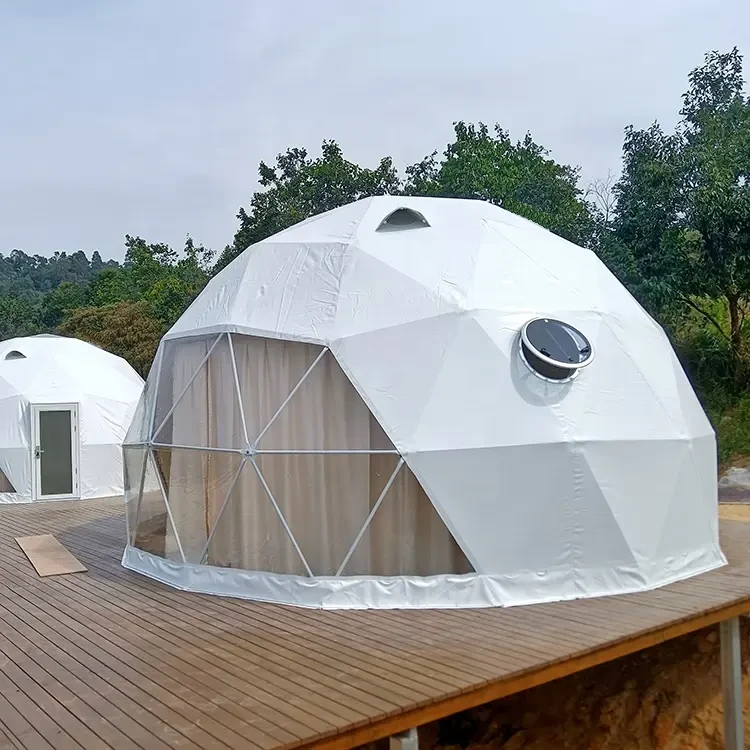
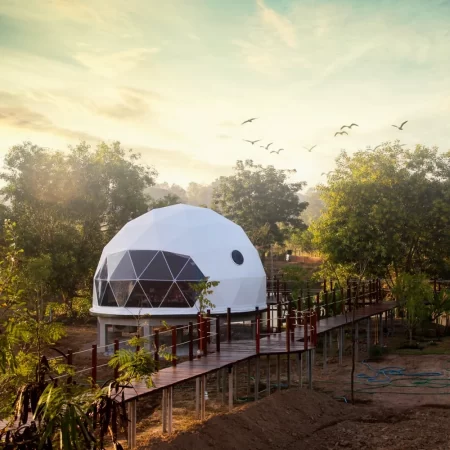
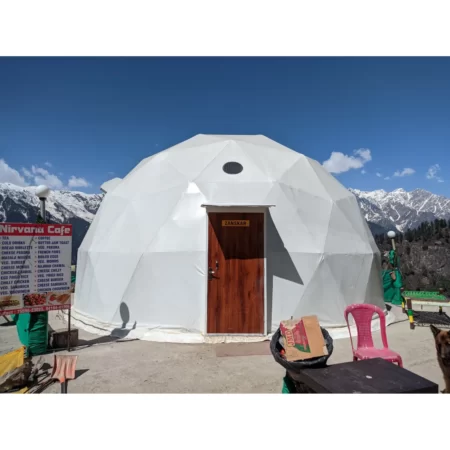
Bharmaur offers a range of simple and moderate places to stay. Travellers will find government tourism properties, small hotels, budget guesthouses, homestays, dharamshalas for pilgrims and temporary camps that appear during the Manimahesh Yatra season.
Types of Accommodation
- Government tourism properties.
- Small hotels near the town centre.
- Budget guesthouses.
- Homestays in and around Bharmaur.
- Dharamshalas for pilgrims.
- Temporary camps during the Manimahesh Yatra.
Where Should You Stay?
Travellers whose main interest is temple exploration will find it convenient to stay near the Chaurasi Temple and the market area. Pilgrims preparing for the Manimahesh trek often stay in Bharmaur for a night or two before continuing to Hadsar. Some travellers may also choose accommodation closer to the trek base when available.
What to Check Before Booking
- Distance from the Chaurasi Temple.
- Road accessibility.
- Availability of hot water.
- Heating arrangements for cold nights.
- Parking facilities.
- Food service.
- Mobile network and electricity backup.
- Cancellation policy.
- Availability during the busy pilgrimage season.
If you plan to visit during the Manimahesh Yatra, book your accommodation as early as possible. Rooms fill quickly and prices can rise with demand.
Food in Bharmaur
Food in Bharmaur is simple, honest and practical. Local eateries, dhabas, hotel restaurants, tea stalls and seasonal temporary shops provide the meals that travellers and pilgrims need.
Food You May Find
- Rice and dal.
- Seasonal vegetables.
- Rajma and other pulses.
- Roti and paratha.
- Tea and coffee.
- Simple noodles and snacks.
- Traditional Himachali dishes when available.
- Packaged food and dry snacks.
Food Tips for the Manimahesh Trek
- Eat a light but nourishing meal before starting the climb.
- Carry dry fruits and energy snacks.
- Do not rely entirely on temporary food stalls.
- Use clean water or carry suitable purification methods.
- Avoid heavy meals just before steep sections.
- Carry all wrappers and waste until you find a proper disposal point.
Gaddi Culture and Local Life
Bharmaur is deeply connected with the Gaddi community, one of the important cultural groups of the Chamba and Kangra Himalayan region. Gaddi life has traditionally revolved around pastoral herding, seasonal migration with sheep and goats, mountain agriculture and a strong sense of community.
The landscape itself has shaped the culture. Steep terrain, changing seasons and limited flat land have taught generations of families how to live in harmony with the mountains. Visitors who walk through the villages may notice stone-and-wood houses, terraced farms, grazing animals, woollen clothing and traditional tools that speak of this long adaptation.
Traditional Lifestyle
Many families still maintain close ties to agriculture and animal husbandry. The rhythm of the year is marked by the movement of flocks between high summer pastures and lower winter grazing grounds, by the planting and harvesting of crops on the terraces, and by the great religious festivals that bring the community together.
Festivals and Religious Events
Religious festivals, temple fairs and seasonal gatherings play a central role in local life. The Manimahesh Yatra is the most prominent pilgrimage associated with Bharmaur, yet smaller local festivals also fill the year with colour, music and shared celebration. Visitors are welcome to observe, provided they do so with respect and follow local guidance.
Responsible Cultural Tourism
- Always ask permission before photographing local people.
- Do not enter homes or private fields without invitation.
- Respect local dress and religious traditions.
- Support local products and services when possible.
- Never make fun of local customs or language.
- Speak politely when asking for directions or help.
Suggested Bharmaur Itineraries
Every traveller’s time and interests are different. The following suggested itineraries offer flexible frameworks that can be adjusted according to weather, energy and personal preference.
One-Day Bharmaur Itinerary
- Arrive in Bharmaur during the morning.
- Check into accommodation or leave luggage safely.
- Spend unhurried time at the Chaurasi Temple complex.
- Explore the Manimahesh, Lakshana Devi, Narsingh and Ganesh shrines.
- Walk through the local market.
- Enjoy simple local food and tea.
- Spend the evening near the temple area as the light softens.
Two-Day Bharmaur Itinerary
Day 1: Temple and Heritage Tour
- Arrive from Chamba or another nearby destination.
- Visit the Chaurasi Temple complex in depth.
- Explore the main shrines and courtyard.
- Walk around the Bharmaur market.
- Stay overnight in Bharmaur.
Day 2: Brahmani Mata and Hadsar
- Visit Brahmani Mata Temple.
- Travel toward Hadsar if road conditions allow.
- Enjoy the mountain scenery and waterfalls.
- Return to Bharmaur or continue according to your larger travel plan.
Three-Day Bharmaur and Manimahesh Preparation Plan
Day 1: Arrival and Chaurasi Temple
- Reach Bharmaur and settle into accommodation.
- Visit the Chaurasi Temple complex.
- Check or purchase any remaining trekking supplies.
Day 2: Brahmani Mata Temple and Hadsar
- Visit Brahmani Mata Temple for blessings.
- Travel to Hadsar if permitted.
- Confirm transport and route arrangements.
- Rest thoroughly before the trek begins.
Day 3: Begin the Trek
- Start early from Hadsar.
- Walk toward Dhancho.
- Continue according to fitness, weather and official conditions.
- Stay overnight only at permitted locations.
Five-Day Temple and Pilgrimage Plan
| Day | Plan |
|---|---|
| Day 1 | Travel to Bharmaur and rest |
| Day 2 | Chaurasi Temple, Manimahesh Temple and local sightseeing |
| Day 3 | Brahmani Mata Temple and travel to Hadsar |
| Day 4 | Trek from Hadsar toward Dhancho and the upper route |
| Day 5 | Visit Manimahesh Lake and return according to conditions |
Whenever possible, add extra buffer days. Mountain weather, route closures, fatigue and transport delays can easily change the best-laid plans.
Important Travel Tips for Bharmaur
Carry Warm Clothes
Even on days that feel mild, evenings and nights in Bharmaur can turn cold. Layered clothing is far more practical than a single heavy jacket.
Carry Cash
Digital payments and mobile networks can be unreliable in remote mountain areas. Carry enough cash for transport, food, accommodation and unexpected needs.
Keep Medicines
Bring personal medicines, a basic first-aid kit, motion-sickness tablets if needed, and any prescriptions you regularly use.
Do Not Depend Only on Online Information
Road conditions, bus timings, accommodation availability, pilgrimage rules and weather can change quickly. Always confirm important details locally before setting out.
Start Road Journeys Early
Daylight is a precious resource on mountain roads. Starting early also gives you a useful buffer in case of traffic, roadwork or weather delays.
Keep a Flexible Itinerary
Avoid scheduling important flights, trains or work commitments immediately after a mountain journey. At least one buffer day is wise.
Respect the Environment
- Never throw plastic or food waste on trekking routes.
- Carry a reusable water bottle.
- Avoid loud music near temples and villages.
- Do not damage plants, stones or religious structures.
- Use toilets and designated waste points.
- Never pollute streams or lakes.
Be Careful Near Rivers and Waterfalls
Mountain streams can rise suddenly during rain. Wet rocks are slippery, and strong currents can be dangerous even when the water looks shallow.
Photography Etiquette
- Ask before photographing people.
- Follow all temple photography rules.
- Do not photograph private rituals without permission.
- Avoid using drones without clear permission.
- Never block pilgrims or local traffic for the sake of a photograph.
Travel with Children and Elderly People
Bharmaur town and the Chaurasi Temple complex can be suitable for family travel. The Manimahesh trek, however, requires careful assessment of fitness and health. Children, elderly travellers and people with medical conditions may find the altitude and steep trail very demanding.
Solo Travel
Solo travellers can visit Bharmaur safely if they inform someone of their plans, avoid isolated trails, keep their phone charged, and follow all official route instructions during the pilgrimage season.
Frequently Asked Questions About Bharmaur
Is Bharmaur and Bharmour the same place?
Yes. Bharmaur and Bharmour are simply different common spellings for the same historic town in Chamba district, Himachal Pradesh.
Why is Bharmaur called the Land of Lord Shiva?
Bharmaur is deeply associated with Lord Shiva, Manimahesh Kailash, the Chaurasi Temple complex, the Manimahesh Yatra and several local religious legends. Because of this strong spiritual connection the region is popularly known as Shiv Bhoomi, the Land of Lord Shiva.
What is Bharmaur famous for?
Bharmaur is famous for the 84 Chaurasi Temples, its ancient temple architecture, Brahmani Mata Temple, the living Gaddi culture, its dramatic mountain landscapes, and its traditional role as the gateway to the Manimahesh Lake pilgrimage.
What are the best places to visit in Bharmaur?
The most important places include the Chaurasi Temple complex, Manimahesh Temple, Lakshana Devi Temple, Narsingh Temple, Brahmani Mata Temple, Hadsar, the surrounding traditional villages, nearby waterfalls, and the Manimahesh Lake trekking route.
How far is Manimahesh Lake from Bharmaur?
Travellers first cover approximately thirteen kilometres by road from Bharmaur to Hadsar. From Hadsar the trek to Manimahesh Lake is roughly thirteen kilometres or more, depending on the exact route and measurement. Total distance can vary with road diversions and trail conditions.
Where does the Manimahesh trek start?
The commonly used Manimahesh trek begins at Hadsar. Most pilgrims reach Hadsar from Bharmaur by road and then continue on foot.
Is Bharmaur suitable for a family trip?
Yes. Families interested in temples, history, culture and mountain scenery will find Bharmaur welcoming. The Manimahesh trek itself, however, requires separate planning for fitness and health.
Is Bharmaur suitable for senior citizens?
Senior citizens can enjoy the town and the Chaurasi Temple complex. Higher areas and the Manimahesh trek should be approached only after careful assessment of health, especially for those with heart, lung, blood-pressure or mobility concerns. Medical advice is recommended.
How many days are enough for Bharmaur?
Two full days are usually sufficient to explore Bharmaur town and its main temples. Additional days should be added for Brahmani Mata Temple, Hadsar, surrounding scenery and the Manimahesh Yatra.
What should I carry for Bharmaur?
Carry warm layers, comfortable walking shoes, rain protection, personal medicines, identity documents, sufficient cash, a power bank, a reusable water bottle and basic hygiene items.
Can I visit Bharmaur in winter?
Yes, but winter travel requires preparation for cold weather, possible snowfall and potential road disruption. Always confirm accommodation and road access before setting out.
Can I visit Manimahesh Lake without joining the official yatra?
Access conditions change according to season, weather, route status and administrative decisions. Travellers should never assume that the route is open or that facilities are available outside the official pilgrimage period.
Is camping available during the Manimahesh Yatra?
Temporary camps and basic facilities often operate during the pilgrimage season. Availability, location, price and rules can change each year, so current arrangements should be confirmed before travelling.
Is photography allowed inside Chaurasi Temple?
Rules may differ from shrine to shrine. Always ask temple staff before taking photographs, especially inside sanctums or during active rituals.
What is the best time to visit Chaurasi Temple?
The temple complex can be visited throughout the accessible travel season. Early morning and evening are usually more peaceful. The Manimahesh Yatra season offers intense religious energy but also larger crowds.
Conclusion
Bharmaur is far more than a stop on the way to Manimahesh. It is a historic Himalayan town where ancient temples still live, where sacred legends still breathe, and where the Gaddi culture continues to shape daily life against a backdrop of dramatic mountains and high-altitude pilgrimage paths.
The Chaurasi Temple complex remains the spiritual heart of the town. Brahmani Mata Temple links Bharmaur with deep local traditions. Hadsar and Manimahesh Lake open the door to one of Himachal Pradesh’s most important sacred journeys. Whether you come for temple tourism, cultural exploration, photography, quiet mountain walking or the full Manimahesh Yatra, the best way to experience Bharmaur is slowly and respectfully.
Give importance to local customs, protect the fragile mountain environment, watch the weather carefully, and travel with humility. For those seeking a peaceful, spiritual and culturally rich destination in Himachal Pradesh, Bharmaur truly deserves a special place on every thoughtful traveller’s map.
हिमाचल यात्रा प्लान करने से पहले ये फ्री टूल्स जरूर इस्तेमाल करें:
- Himachal Best Time to Visit Calculator
- Himachal Trip Budget Calculator
- Himachal Trip Fuel Calculator
- Himachal Weather Live Forecast
Important Tips for All Travellers
- Check the latest Official HP Travel Advisory before your journey.
- Read our complete Tourist Visa Guide if you are a foreign traveler.
- Keep Himachal Clean & Green – Please carry your waste back and respect the local culture & environment.
For Foreign Travellers – Free Personalized Help
Want to experience authentic village life, local culture, and genuine Himachali hospitality? We can help you curate a personalized trip at the best genuine rates.
- Free trip planning & quotation in your currency
- Priority booking in Himachal Government Rest Houses
- BMC certified local guides (city-wise)
- Best rates on bike, auto & car rentals from government-approved agencies
- Free local Himachali handicraft gift for all foreign travellers
Please get in touch with us for a free personalized quotation.
हिमाचल में बेस्ट होटल खोज रहे हैं?
चाहे आप Manali, Shimla, Kasol, Kullu, Spiti Valley, Kinnaur, Chamba, Dharamshala, McLeod Ganj, Dalhousie, Kasauli या हिमाचल के किसी भी अन्य destination की यात्रा प्लान कर रहे हों — सही होटल सही कीमत पर मिलना बहुत जरूरी है। Agoda पर आप हिमाचल के होटल्स की लेटेस्ट कीमतें, असली गेस्ट रिव्यूज और बेस्ट डील्स आसानी से चेक कर सकते हैं। बहुत से यात्री Agoda को इसलिए पसंद करते हैं क्योंकि यहाँ अक्सर बेहतर डिस्काउंट और फ्लेक्सिबल बुकिंग ऑप्शन मिलते हैं।