Where Is Tirthan Valley?
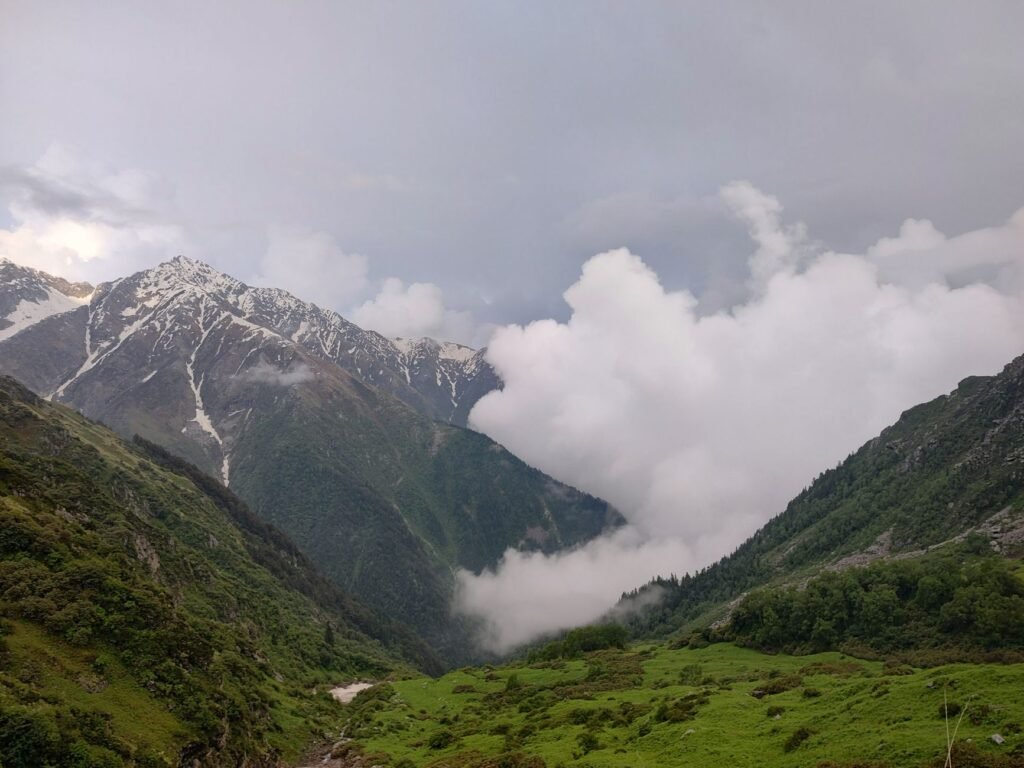
Somewhere beyond the rush of Manali, the road softens and the river begins to speak. That is where Tirthan Valley opens up — a quiet fold of the Himalayas in Himachal, where the Tirthan River runs clear, forests lean close, and villages still move at the pace of the mountains. For those who come looking for space instead of crowds, this valley feels like a deep breath.
Where Is Tirthan Valley Located?
Tirthan Valley Location
Follow the Tirthan River into Banjar tehsil of Kullu, and the valley slowly reveals itself. From the lower reaches near Larji it climbs gently past Gushaini and Banjar, then higher still toward Jibhi, Shoja, and the windswept shoulder of Jalori Pass.
Tirthan Valley State / Province
This is the heart of Himachal Pradesh, the mountain state that holds some of India’s most peaceful high valleys.
Looking for a Hotel? Check Agoda Double Day Sale!

Tirthan Valley District / Region
It belongs to Kullu district, tucked inside the quieter Seraj region. Banjar is the administrative centre, while Gushaini has become the soft landing place for those heading into the national park.
Tirthan Valley Country
Tirthan Valley rests in the northern folds of India.
Tirthan Valley Coordinates
Somewhere around 31.7° N and 77.4° E the valley floor settles, though every village has its own exact pin. Gushaini, Banjar, Jibhi and Jalori Pass each sit at their own height, their own quiet angle of the same long river story.
About Tirthan Valley
Why Is Tirthan Valley Famous?
People speak of Tirthan for the way the river stays clean, for the deodar and pine forests that still feel ancient, and for the traditional villages that have not hurried themselves into modernity. Most of all, they speak of it as the doorway to the Great Himalayan National Park — a place that still rewards those who come slowly.
What Is Tirthan Valley Known For?
Trout flicker in the Tirthan’s clear pools. Homestays open their wooden doors beside the water. Forest paths lead to Serolsar Lake and the quiet ruins of Raghupur Fort. And always, the road climbs toward Jalori Pass and the wilderness of the national park beyond.
Tirthan Valley at a Glance
| Detail | Information |
|---|---|
| State | Himachal Pradesh |
| District | Kullu |
| Tehsil | Banjar |
| River | Tirthan River, a tributary of the Beas |
| Valley altitude | About 1,500–1,600 m at the river level |
| Highest nearby point | Jalori Pass, about 3,120 m |
| Nearest airport | Bhuntar / Kullu-Manali Airport, about 50 km away |
| Best known for | GHNP, trout fishing, Jibhi, Jalori Pass, Serolsar Lake |
| Ideal trip length | 2–4 days |
How to Reach Tirthan Valley
How to Reach Tirthan Valley by Air
The closest sky gate is Bhuntar Airport, also known as Kullu-Manali. From there the road turns toward Aut, then climbs along the Tirthan for about two hours until the valley begins to feel like home.
How to Reach Tirthan Valley by Train
No major train line reaches the valley itself. Most travellers arrive via Chandigarh or Shimla, then continue by road through Mandi and Aut. Joginder Nagar sits closer on the map but is less convenient for most journeys.
How to Reach Tirthan Valley by Road
The classic route unfolds as Delhi → Chandigarh → Mandi → Aut → Banjar → Gushaini or Jibhi. At Aut you leave the busy Manali highway and slip into the quieter river road. Overnight Volvos from Delhi drop you near Aut or Bhuntar; a taxi or local bus does the rest.
Local Transport in Tirthan Valley
Local buses wander between Banjar, Gushaini and Jibhi, but they keep their own unhurried timetable. For Jalori Pass, Chehni Kothi or the national park gates, a taxi is simpler. Many guests simply walk the villages — the distances are kind and the paths invite it.
Distance to Tirthan Valley
Tirthan Valley Distance from Delhi
From Delhi the road covers roughly 500–525 km, depending on whether you are bound for Banjar, Gushaini or Jibhi. Most travellers set aside a full 12–14 hours, with time for mountain curves and chai stops.
Tirthan Valley Distance from Bhuntar Airport
Bhuntar sits only 50 km from the valley. The taxi ride to Gushaini or Jibhi usually takes about two calm hours along the river.
Tirthan Valley Distance from Nearest Railway Station
Joginder Nagar is often listed as the nearest rail point at around 160 km, yet Chandigarh and Shimla remain the more practical starting stations for most visitors.
Travel Time to Tirthan Valley
From Delhi, plan an entire day on the road. Chandigarh is usually 8–10 hours away; Manali is only 2–3 hours once you are already in the mountains; Bhuntar Airport is a gentle two-hour drive.
Best Time to Visit Tirthan Valley
Tirthan Valley in Summer
From March through June the valley wakes gently. Days stay pleasant, forests turn deep green, wildflowers appear higher up, and the trails feel welcoming for long walks.
Tirthan Valley in Monsoon
July and August wrap the hills in rain and fresh green. Crowds thin out, but landslides and slippery paths can appear overnight, so flexibility becomes part of the journey.
Tirthan Valley in Winter
December to February brings a quieter, colder valley. Frost settles on the lower villages; snow sometimes dusts Shoja and closes Jalori Pass for a while. Warm layers and a careful eye on the road are essential.
Peak Season in Tirthan Valley
Most travellers choose March to June, then return again between September and November. These months offer clear skies, open roads, and the best chance to walk freely through the forests.
Tirthan Valley Weather
Tirthan Valley Weather by Month
| Months | Weather | Travel Experience |
|---|---|---|
| March–April | Cool days, chilly nights, spring blooms | Good for sightseeing and early treks |
| May–June | Pleasant days, cool evenings | Peak season; best for families and first-time visitors |
| July–August | Rainy and humid | Green scenery, but landslide risk |
| September–October | Clear skies, crisp air | Excellent for trekking and photography |
| November | Cold mornings and evenings | Quiet, scenic shoulder season |
| December–February | Cold to very cold; possible snow | Peaceful winter trip; check road access |
Average Temperature in Tirthan Valley
Down by the river, summer days usually settle between 15°C and 25°C. Winter daytime temperatures hover around 5–10°C, with nights that can slip below freezing. Higher up at Jalori Pass the air is noticeably colder in every season.
Rainfall in Tirthan Valley
The heaviest rains arrive in July and August. The valley turns intensely green, yet trails grow wet and road delays become part of the monsoon story.
Snowfall in Tirthan Valley
Snow is most likely between December and February, especially around Shoja and Jalori Pass. Lower villages may see only light dustings, while higher routes can close for days at a time.
Places to Visit in Tirthan Valley
Best Places to Visit
- Gushaini – A quiet riverside village that has become the natural base for Great Himalayan National Park treks.
- Jibhi – A gentle hamlet of wooden houses, small cafes, forest paths and hidden waterfalls.
- Jalori Pass – A high mountain saddle at about 3,120 m that opens wide views across two valleys.
- Serolsar Lake – A sacred high lake reached by a five-kilometre forest walk from Jalori Pass.
- Great Himalayan National Park – A UNESCO-protected wilderness of deep forests, alpine meadows and rare Himalayan wildlife.
Popular Tourist Attractions
Beyond the main stops, travellers often find themselves at Chehni Kothi, the tall fortified tower near Banjar; at the grassy ridge of Raghupur Fort; or simply wandering the riverside lanes of Banjar, Ropa and Shoja.
Hidden / Less-Visited Places
For quieter days, walk the smaller villages past Jibhi, wander through apple orchards near Banjar, seek out lesser-known waterfalls, or cross into the Sainj side of the national park landscape. These places still feel local and unhurried.
Things to Do in Tirthan Valley
Popular Activities
- Stroll beside the Tirthan and linger at riverside cafes.
- Wander through traditional Himachali villages and old wooden temples.
- Try trout fishing where local rules allow and a guide is present.
- Take day trips to Jibhi, Banjar, Shoja and Jalori Pass.
- Watch birds and light in the surrounding forests with a camera in hand.
Adventure Activities
The valley offers day treks to Serolsar Lake and Raghupur Fort, longer multi-day journeys inside the Great Himalayan National Park, riverside camping, and guided forest walks. The national park especially rewards those who come prepared for real wilderness.
Family-Friendly Activities
Families settle easily into riverside walks, short waterfall trails, visits to Jibhi and Banjar, simple local meals, and a scenic drive up to Jalori Pass when the road is open. Homestays make the pace comfortable for all ages.
Things to Do for Couples
A private riverside cottage, early walks through deodar forest, quiet cafe mornings in Jibhi, and a simple picnic beside the Tirthan create the kind of slow mountain days many couples come looking for.
Tirthan Valley Itinerary

1-Day Tirthan Valley Itinerary
- Morning: Arrive via Aut and settle into Gushaini or Jibhi.
- Afternoon: Walk the river and explore the village lanes.
- Evening: Rest at a riverside cafe or your homestay balcony.
2-Day Tirthan Valley Itinerary
- Day 1: Reach Gushaini or Jibhi, explore the village, find a waterfall, and spend time by the river.
- Day 2: Drive up to Jalori Pass, trek to Serolsar Lake, and return by evening.
3-Day Tirthan Valley Itinerary
- Day 1: Travel into the valley and settle into a homestay in Gushaini or Jibhi.
- Day 2: Visit Jalori Pass and walk to Serolsar Lake.
- Day 3: Explore Banjar, Chehni Kothi, nearby villages and the Tirthan riverbank.
Tirthan Valley Weekend Itinerary
Leave Delhi Friday night, arrive Saturday morning, and spend the day around Jibhi or Gushaini. Keep Sunday for Jalori Pass and Serolsar Lake, then begin the long return that evening or early Monday.
How Many Days Are Enough for Tirthan Valley?
Two to three days let most travellers see Jibhi, Gushaini, Jalori Pass and Serolsar Lake at an easy pace. Add a day or two more if you want to step deeper into the Great Himalayan National Park or cross into Sainj Valley.
Tirthan Valley Trip Cost
Budget Trip to Tirthan Valley
With buses, simple homestays and local food, a careful traveller can manage roughly ₹1,500–₹2,500 per person per day, not counting the long journey from home.
Mid-Range Trip to Tirthan Valley
A comfortable cottage or boutique homestay, private local transport and cafe meals usually settles around ₹3,000–₹6,000 per person per day.
Luxury Trip to Tirthan Valley
Private riverfront villas, curated meals and taxi-based sightseeing can rise to ₹7,000–₹15,000+ per person per day, depending on the property and the season.
Average Daily Cost
For most visitors a realistic daily figure lands between ₹3,000 and ₹5,000 per person, once you have already reached Himachal.
Where to Stay in Tirthan Valley
Best Areas to Stay
- Gushaini – Ideal for river views and quick access to national park trails.
- Jibhi – Best for cafes, easy movement and a gently social atmosphere.
- Banjar – Convenient for transport links and local markets.
- Shoja – Quieter and higher, with wider mountain views.
Budget Hotels
Simple guesthouses, basic homestays and backpacker rooms are easy to find in Jibhi, Banjar and Gushaini. Book early in the March–June window and on long weekends.
Mid-Range Hotels
Wooden cottages, small boutique homestays and riverside guesthouses fill the middle range. Many serve home-cooked Himachali food and open onto quiet mountain views.
Luxury Hotels
Private riverfront villas and carefully designed nature resorts sit mainly around Gushaini and Jibhi. These places often come with wide decks, gardens and meals prepared to order.
Best Area for Families
Gushaini or Jibhi work best for families. Gushaini offers quieter river banks; Jibhi offers easier access to cafes, shops and local transport.
Food in Tirthan Valley
Famous Food in Tirthan Valley
Meals here stay simple and honest — siddu steamed and served with ghee, rajma-chawal, madra, seasonal vegetables, local lentils, and freshly prepared trout when the river allows.
Local Dishes to Try
Ask for siddu with chutney, a plate of rajma-chawal or kadi-chawal, a proper Himachali dham if the occasion is right, and trout cooked simply by the river. Apple desserts and local tea round out many evenings.
Best Areas for Food
Jibhi has the widest choice of cafes. Gushaini and Banjar lean more toward traditional home cooking. For the truest flavours, stay and eat in a family-run homestay.
Shopping in Tirthan Valley
What to Buy
Look for local woollens, small handicrafts, herbal products, apple preserves, pickles and simple Himalayan souvenirs. Leave anything connected to protected plants or wildlife on the shelf.
Famous Markets
Banjar market is the main local shopping stretch. Jibhi has a handful of smaller shops. For a wider selection many travellers stop in Kullu or Manali on the way in or out.
Local Souvenirs
Hand-knitted caps, woollen socks, local honey, apple chutney, small handmade crafts, and a photograph from Jalori Pass or Serolsar Lake make the best memories to carry home.
Places to Visit Near Tirthan Valley
Jibhi
Jibhi sits like a quiet forest village of wooden houses, small cafes, waterfalls and easy walking trails. It has become one of the most comfortable bases for exploring the wider valley.
Jalori Pass
At roughly 3,120 m, Jalori Pass links the Kullu and Shimla sides of the mountains. It is the starting point for the Serolsar Lake walk and offers long, open views on clear days.
Great Himalayan National Park
This UNESCO World Heritage landscape protects a vast stretch of Himalayan wilderness. Permits and local guides are required; the reward is deep forests, alpine meadows and the chance to walk where few people go.
Tirthan Valley Travel Tips
What to Pack
Layered clothes, a warm jacket, good walking shoes, rain protection, sunscreen, a reusable bottle, basic medicines and a power bank cover most seasons. In winter add thermals, gloves and waterproof footwear.
Local Transportation Tips
A local taxi is the simplest way to reach Jalori Pass and the more remote villages. Mountain roads are narrow; always check conditions in monsoon and winter before setting out.
Budget Tips
Travel by bus to Aut or Banjar, stay in homestays, eat at local dhabas, and share taxis when possible. Weekday stays outside the peak months usually cost less.
Safety Tips
Avoid walking alone deep into the forest. Tell your host where you are going, carry offline maps, and respect the rules inside the national park. Stay clear of the river after heavy rain or when the water runs high.
Important Things to Know
Mobile signal fades in many villages. Carry enough cash, book rooms ahead in peak season, and travel lightly on the land — less plastic, more respect for local ways.
Frequently Asked Questions About Tirthan Valley
Where Is Tirthan Valley?
Tirthan Valley lies in Banjar tehsil of Kullu district, Himachal Pradesh, following the clear course of the Tirthan River.
Which State Is Tirthan Valley In?
It belongs to the mountain state of Himachal Pradesh.
How Do I Reach Tirthan Valley?
Fly into Bhuntar and continue by taxi or bus through Aut and Banjar. Or take a train to Chandigarh or Shimla and complete the journey by road.
What Is Tirthan Valley Famous For?
The clean Tirthan River, trout fishing, forest villages, Jibhi, Jalori Pass, Serolsar Lake, and the doorway it opens into the Great Himalayan National Park.
What Is the Best Time to Visit Tirthan Valley?
Most people find the valley at its best between March and June and again from September to November, when the weather stays kind and the trails stay open.
How Many Days Are Enough for Tirthan Valley?
Two to three days cover the main highlights. Four or five days allow a slower pace and time for deeper treks.
Is Tirthan Valley Worth Visiting?
Yes. For clean river water, quiet villages, forest trails, open Himalayan views, and a genuine sense of mountain calm, Tirthan Valley still feels like a place worth the journey.
हिमाचल यात्रा प्लान करने से पहले ये फ्री टूल्स जरूर इस्तेमाल करें:
- Himachal Best Time to Visit Calculator
- Himachal Trip Budget Calculator
- Himachal Trip Fuel Calculator
- Himachal Weather Live Forecast
Important Tips for All Travellers
- Check the latest Official HP Travel Advisory before your journey.
- Read our complete Tourist Visa Guide if you are a foreign traveler.
- Keep Himachal Clean & Green – Please carry your waste back and respect the local culture & environment.
For Foreign Travellers – Free Personalized Help
Want to experience authentic village life, local culture, and genuine Himachali hospitality? We can help you curate a personalized trip at the best genuine rates.
- Free trip planning & quotation in your currency
- Priority booking in Himachal Government Rest Houses
- BMC certified local guides (city-wise)
- Best rates on bike, auto & car rentals from government-approved agencies
- Free local Himachali handicraft gift for all foreign travellers
Please get in touch with us for a free personalized quotation.
हिमाचल में बेस्ट होटल खोज रहे हैं?
चाहे आप Manali, Shimla, Kasol, Kullu, Spiti Valley, Kinnaur, Chamba, Dharamshala, McLeod Ganj, Dalhousie, Kasauli या हिमाचल के किसी भी अन्य destination की यात्रा प्लान कर रहे हों — सही होटल सही कीमत पर मिलना बहुत जरूरी है। Agoda पर आप हिमाचल के होटल्स की लेटेस्ट कीमतें, असली गेस्ट रिव्यूज और बेस्ट डील्स आसानी से चेक कर सकते हैं। बहुत से यात्री Agoda को इसलिए पसंद करते हैं क्योंकि यहाँ अक्सर बेहतर डिस्काउंट और फ्लेक्सिबल बुकिंग ऑप्शन मिलते हैं।